
Last Updated: November 11, 2026
Quick Summary
Car accident trauma is a normal reaction to a sudden threat, even after a minor crash. Symptoms like poor sleep, replaying the crash, and tension behind the wheel usually ease with grounding, steady routines, and gradual return to driving. If they last more than a few weeks, see a doctor or mental health professional.
- About 1 in 4 crash survivors worldwide experience PTSD, according to a 2025 study.
- Slow breathing with a longer exhale can help settle your body when your heart races.
- Build an exposure ladder, moving up one driving step only when the current one feels manageable.
- Seek help if symptoms last over a month or you avoid driving, work, or friends.
- Call 911 or the 988 Suicide and Crisis Lifeline in an emergency.
Table of Contents
- Why Car Accident Trauma Happens Even After Minor Crashes
- Car Accident Trauma Symptoms to Watch For
- How to Overcome Anxiety After a Car Accident
- Getting Your Driving Confidence Back
- Mental Therapy After Car Accident: Your Options
- Supporting Someone Through Crash Trauma and Financial Stress
- PTSD From a Car Accident Years Later
- When to Call a Mental Health Professional in Tulsa
- Frequently Asked Questions
Why Car Accident Trauma Happens Even After Minor Crashes
Feeling shaken after a car accident is normal, even when the damage looks small. Many drivers in Tulsa walk away from a fender bender on Memorial Drive or a rear-end hit on the Broken Arrow Expressway and assume they are fine. Then the anxiety shows up a few days later.
A 2025 study on PTSD among road traffic accident survivors estimated that about 1 in 4 crash survivors worldwide experience PTSD. That is a global estimate, not a figure for Oklahoma, but it shows that trauma after a crash is common.
Trauma often comes from the surprise and loss of control, not only from injury. Common reactions include:
- Sudden shaking or a racing heart when you hear brakes
- Replaying the crash over and over
- Feeling tense as soon as you get back in a car
- Avoiding certain roads, like the I-44 interchange you used to take daily
Car Accident Trauma Symptoms to Watch For
Symptoms can start right away or show up weeks later. Knowing what to look for helps you decide when to get support.
Common physical signs:
- Trouble sleeping or nightmares about the crash
- Headaches, muscle tension, or stomach upset
- Feeling jumpy or on edge in traffic
Common emotional signs:
- Guilt or blaming yourself, even when you were not at fault
- Feeling numb or detached from daily life
- Irritability that seems to come out of nowhere
A review of PTSD assessment after motor vehicle collisions notes that serious crashes carry increased psychological risk, and that symptoms are measured with formal screening tools. If these signs last more than a few weeks or make daily life harder, talk to a doctor or mental health professional.
The signs below can appear right after a crash or weeks later, so it helps to know what to watch for.
| Sign type | Examples from the article | When to act |
|---|---|---|
| Physical | Trouble sleeping, nightmares, headaches, muscle tension | If they last more than a few weeks |
| Physical | Jumpy or on edge in traffic | If daily life becomes harder |
| Emotional | Guilt or self-blame, even when not at fault | If the feelings persist |
| Emotional | Numbness or detachment from daily life | Talk to a doctor or professional |
| Emotional | Irritability that seems to come out of nowhere | If it affects relationships or work |
How to Overcome Anxiety After a Car Accident
Anxiety after a crash can feel overwhelming, but the goal is not to feel brave all at once.
Start with the basics that settle your body in the moment:
- Slow your breathing. Try breathing in for four counts and out for six when your heart starts racing. The longer exhale is what tells your body the emergency is over.
- Ground yourself. Name five things you can see and four things you can touch. This pulls your attention out of the memory and back into the present.
- Keep a routine. Eat, sleep, and go to work at regular times. Predictable days give your nervous system fewer surprises to react to.
- Limit caffeine and alcohol. Both can make anxiety feel worse, and caffeine can mimic the physical signs of a panic attack.
- Stay connected. Talk with someone you trust about what happened. Isolation gives fear more room to grow.
Cognitive behavioral therapy (CBT) is a common approach for crash-related anxiety. It helps you notice unhelpful thoughts, like “I’ll never drive safely again,” and replace them with more balanced ones.
Build an exposure ladder for driving. An exposure ladder is a ranked list of driving situations from easiest to hardest. You practice the easiest one until your fear drops to a manageable level, then move up one rung. A common ladder looks like this:
- Sit in the parked car with the engine off, then on.
- Drive around a quiet block in your neighborhood, like a side street off Peoria or Lewis.
- Take a short trip on a familiar arterial road at a low-traffic time.
- Merge onto a highway for one exit, then two.
- Drive the route where the crash happened, first with a trusted passenger.
- Handle a busy interchange, like the I-44 and Riverside area, at off-peak hours.
Watch out: Do not jump several rungs at once to “get it over with.” Flooding yourself with the scariest drive can set recovery back and teach your brain that driving really is dangerous.
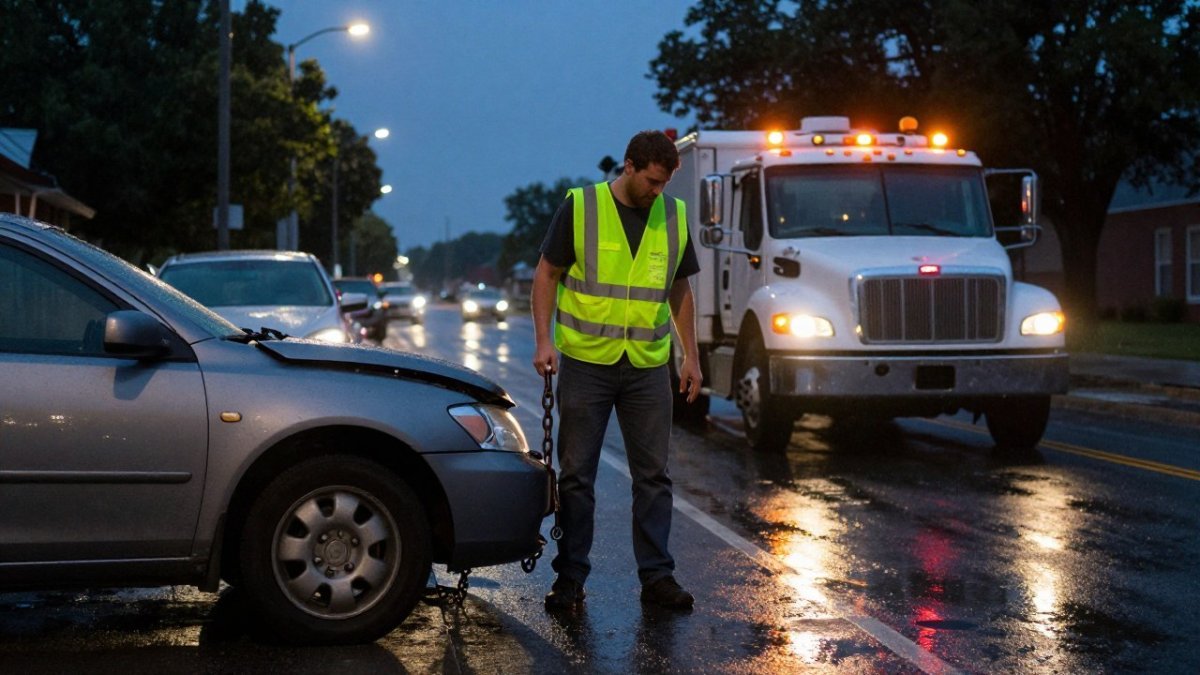
If your car is still damaged and you feel unsafe driving it, Neptune Towing can transport it to a repair shop on a flatbed.
Getting Your Driving Confidence Back
Many people find that the hardest part is getting behind the wheel again. This fear is often called driving anxiety or driving phobia, and it is very treatable.
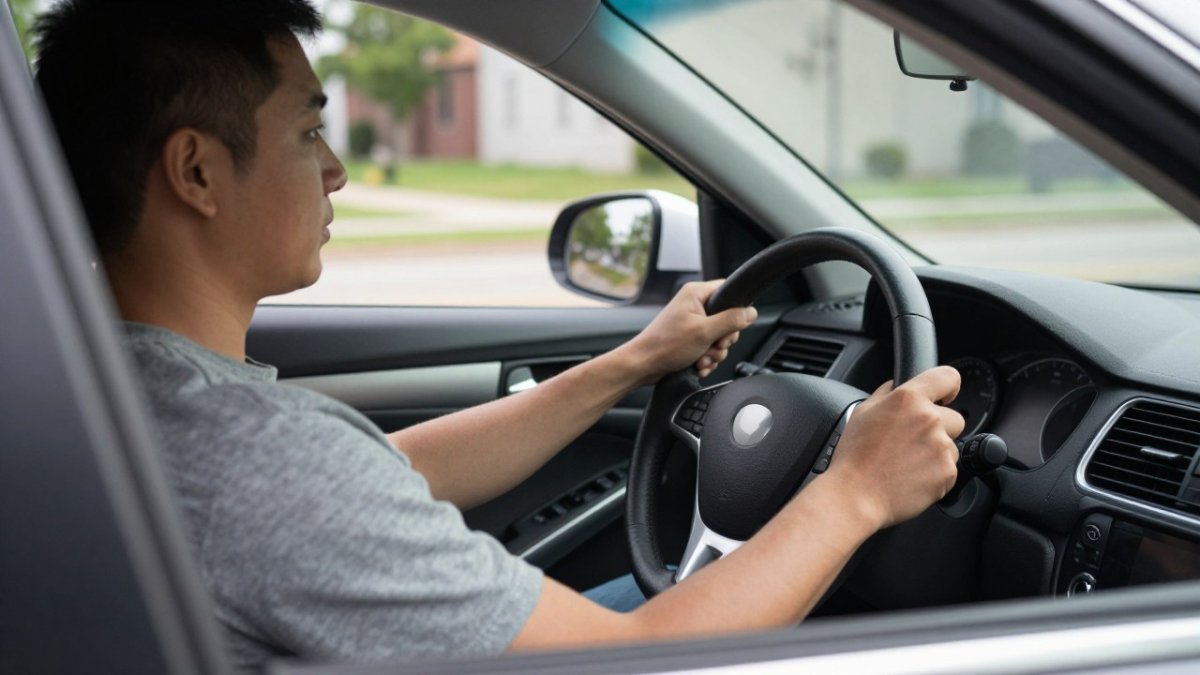
Gradual exposure works well for most people:
- Start small. Sit in your parked car for a few minutes with the engine on.
- Drive quiet streets first. Try a neighborhood road before a busy one.
- Add one challenge at a time. Move to a short trip, then to a highway on-ramp.
- Go with someone you trust. A passenger can make the first few drives feel safer.
If your car is still damaged and you feel unsafe driving it, Neptune Towing can transport it to a repair shop on a flatbed. You do not have to drive a car you do not trust yet.
Mental Therapy After Car Accident: Your Options
Several types of therapy have helped crash survivors. A licensed therapist can help you choose the right one.
- Cognitive behavioral therapy (CBT): Focuses on how thoughts affect fear and avoidance.
- Eye Movement Desensitization and Reprocessing (EMDR): Helps the brain process painful memories so they feel less intense.
- Prolonged exposure therapy: Slowly and safely revisits the memory and the situations you avoid.
- Virtual reality exposure therapy: A newer approach that uses simulated driving environments. A 2024 case report on virtual reality therapy for traffic accident PTSD described two patients treated this way.
Ask your doctor about referrals, or check whether your health plan covers mental health visits.
Supporting Someone Through Crash Trauma and Financial Stress
Crash trauma rarely stays only inside the car.
If you are supporting a loved one:
- Listen more than you advise. Ask what feels hardest right now instead of telling them what to do. Being heard lowers the sense of threat.
- Offer specific, practical help. Driving them to appointments, sitting with them during insurance calls, or handling paperwork takes weight off without pushing them to “just get over it.”
- Do not enable avoidance. It is kind to drive for them after the crash, but it is not kind to drive for them forever. A common pattern is a partner who takes over all driving, which quietly confirms the survivor’s fear that the road is too dangerous. Instead, ride along on their practice drives and let them take the wheel.
- Watch for warning signs. If they stop eating, stop sleeping, avoid work or friends, or talk about hurting themselves, help them reach a professional. In an emergency, call 911 or the 988 Suicide and Crisis Lifeline.
Breaking the financial and legal stress cycle:
Money worries can make recovery harder, so it helps to get answers early rather than letting letters pile up. A few steps reduce the unknown:
- Write down what you know. List the claim number, the adjuster’s name, the repair estimate, and any medical visits. Uncertainty is what fuels anxiety; a simple sheet of facts shrinks it.
- Set a time to deal with insurance. Rather than answering calls all day, pick one block of time to handle claim business, then close the folder. This keeps the crash from taking over every hour.
- Ask about the gaps. If the other driver was uninsured or the claim is getting complicated, our article on uninsured driver hit you? here’s what to do in Oklahoma walks through the steps.
- Know when to bring in help. Some people decide to hire a personal injury attorney when the claim gets disputed or injuries are serious. You can read more about when to hire a personal injury attorney after a crash to decide if that makes sense for your situation.
Watch out: Do not let a well-meaning friend or family member pressure the survivor to “just settle” to make the stress go away. A rushed decision can add a new source of regret later. Take the time to understand the options.
If a damaged or undrivable vehicle is adding to the stress, Neptune Towing can move it safely. We are owner-operated, we do not impound vehicles, and we can transport a car to a shop or home so the family has one less thing to worry about while they focus on recovery.
PTSD From a Car Accident Years Later
Trauma does not always fade on its own. Some people feel fine for months, then notice flashbacks, panic, or avoidance years later, often when something reminds them of the crash. This delayed reaction is more common than many people expect.
Signs that PTSD may be developing include:
- Flashbacks or vivid memories of the crash
- Strong reactions to sounds like screeching tires or sirens
- Avoiding driving or certain roads for a long time
- Feeling constantly on guard
A PTSD assessment review on motor vehicle collision survivors explains that these symptoms can be measured and treated, so you do not have to wait for them to go away.
When to Call a Mental Health Professional in Tulsa
Reach out to a mental health professional if any of these apply:
- Your symptoms last longer than a month
- You avoid driving, work, or friends because of fear
- Sleep, eating, or daily tasks feel out of reach
- You have thoughts of hurting yourself
In an emergency, call 911 or the 988 Suicide and Crisis Lifeline. For ongoing support in the Tulsa area, your primary care doctor can refer you to a local therapist who treats trauma.
If you are stranded or need your vehicle moved safely while you recover, call Neptune Towing at (539) 292 3074. We are available 24/7 for flatbed towing, roadside assistance, and emergency transport in Tulsa, Jenks, Bixby, Broken Arrow, and nearby communities.
Frequently Asked Questions
How long does trauma last after a car accident?
For many people, symptoms ease within a few weeks to a few months as the body and mind settle after the crash. Some road-traffic survivors develop lasting post-traumatic stress. If symptoms such as nightmares, flashbacks, or avoiding driving continue beyond a month or start interfering with work, sleep, or daily life, that is a good reason to talk with a mental health professional rather than waiting it out.
How can I cope with anxiety after a car accident?
Start with the basics: keep a regular sleep schedule, eat regular meals, and limit caffeine and alcohol, which can intensify anxiety. Grounding techniques such as slow breathing, naming five things you can see, or pressing your feet into the floor can calm a racing heart in the moment. Gradually returning to familiar routes, starting with short trips in daylight and low-traffic roads, also helps your nervous system learn that driving is safe again.
When should I seek professional help for anxiety after a car accident?
Consider reaching out if you have symptoms for more than a month, if you avoid driving or certain roads entirely, or if you experience panic attacks, intrusive memories, or trouble sleeping most nights. Thoughts of harming yourself also call for immediate help. A therapist trained in trauma can work with approaches such as cognitive behavioral therapy, prolonged exposure, or EMDR. You can start by asking your primary care doctor for a referral.
How do I feel more comfortable driving again after a crash?
Gradual exposure works best. Begin by sitting in your parked car, then drive short, familiar routes at quiet times, and slowly add highway miles as your confidence grows. Let a trusted passenger ride with you at first. If the fear feels overwhelming or you cannot get past it on your own, a therapist who uses exposure therapy can guide you through the process at a pace that feels manageable.
