
Table of Contents
- Choose Flatbed Towing Tulsa for Maximum Protection
- Verify Proper Vehicle Securement and Tie-Down Systems
- How to Prepare Your Car for Towing
- Tesla Towing Safety: What Electric Vehicle Owners Must Know
- Communicate Clearly With Your Towing Provider
- Verify Credentials and Insurance Coverage
- Document Your Vehicle’s Condition Before Transport
Last Updated: August 26, 2026
When your car breaks down on I-44 or stalls in a Tulsa parking lot, the last thing you want to worry about is whether it’ll be damaged during transport. The truth is, how your vehicle gets towed matters enormously, especially if you’re driving a Tesla, a luxury sedan, or anything with low ground clearance. Safe vehicle transport isn’t just about getting from point A to point B; it’s about protecting your investment and getting reliable help when you need it most.
At Neptune Towing, we’ve handled thousands of vehicles across Tulsa, Bixby, Broken Arrow, and surrounding communities, and we’ve learned what separates a smooth, damage-free experience from a costly nightmare. This guide covers the 9 best practices for safe vehicle transport that every driver should understand before calling a tow truck.
Choose Flatbed Towing Tulsa for Maximum Protection
Flatbed towing is the gold standard for protecting your vehicle during transport. Unlike traditional hook-and-chain methods where your car’s front or rear wheels drag on the pavement, flatbed towing lifts all four wheels completely off the ground and onto a level platform. This approach prevents unnecessary wear, eliminates the risk of frame damage, and keeps your vehicle stable throughout the journey.
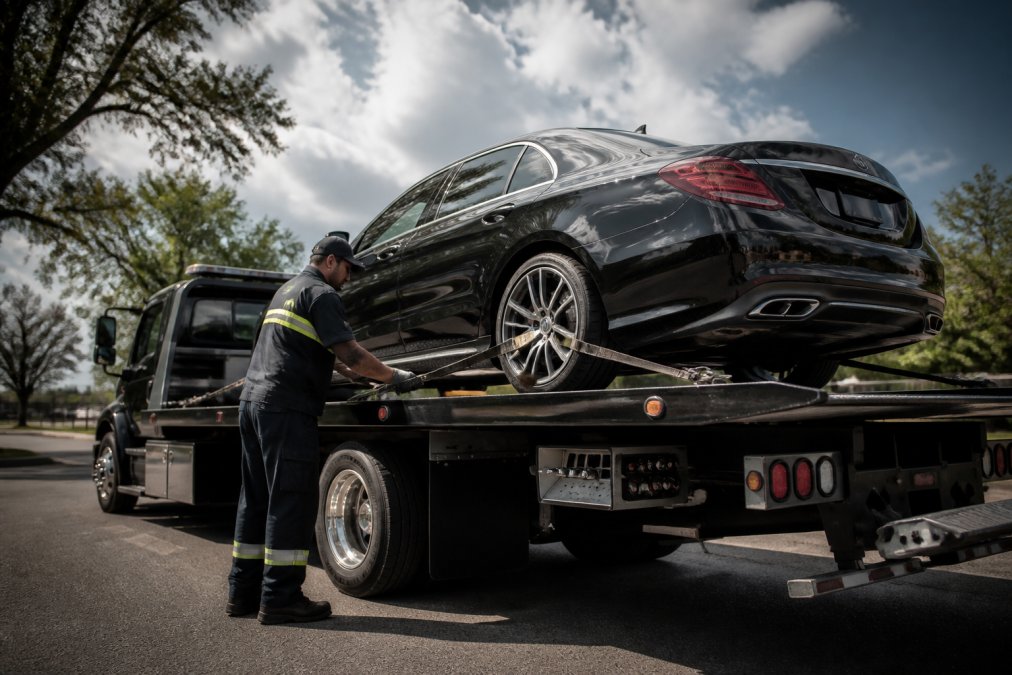
Flatbed towing is especially critical for luxury vehicles, classic cars, and anything with low ground clearance. When a vehicle sits too low to the ground, traditional towing methods can cause the undercarriage to scrape against the road surface, resulting in thousands of dollars in damage. Flatbed towing eliminates this risk entirely.
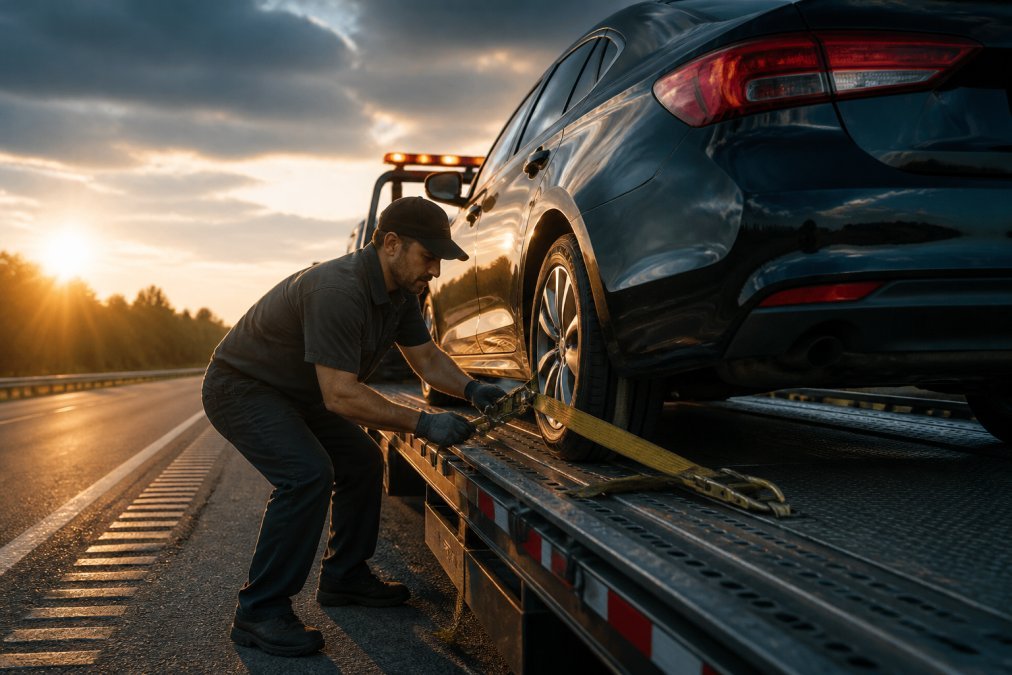
The process is straightforward: the entire vehicle is winched onto the bed of the truck, secured with proper tie-downs, and transported safely. Because your car is completely off the road, there’s no wear on the tires, no stress on the transmission, and no risk of frame damage. For drivers in Tulsa dealing with a breakdown or collision, flatbed towing is the choice that protects what matters most, your vehicle.
Neptune Towing uses flatbed equipment specifically designed for damage-free transport. Every vehicle, from a family sedan to a high-end Tesla, receives the same careful handling and professional securement.
Verify Proper Vehicle Securement and Tie-Down Systems
Once your vehicle is on the flatbed, how it’s secured determines whether it stays safe or sustains damage during transport. Proper securement uses multiple points of contact and industrial-grade equipment to keep the vehicle stable and prevent any shifting or movement while in transit.
The industry standard for flatbed towing involves four points of securement: a bridle connected to the winch line at the front, two chains securing the rear axle, and two safety straps for additional stability (aaa.com). This configuration distributes pressure evenly and prevents the vehicle from bouncing, swaying, or shifting sideways during turns or braking.
For vehicles with particularly low ground clearance or delicate suspension systems, an eight-point tie-down system is even better. This method secures all four wheels directly to the bed of the truck using heavy-duty straps, creating maximum stability. The equipment used, whether wheel nets, ratchet straps, or winch systems, should be industrial-grade and regularly inspected for wear or damage.
When you call a towing service, ask specifically about their securement methods. A professional operator will explain exactly how they plan to secure your vehicle and why that method is appropriate for your car’s specific needs. If they can’t answer these questions clearly, that’s a red flag. Neptune Towing technicians are trained to assess each vehicle and apply the right securement strategy, whether that’s wheel nets, frame straps, or a combination approach.
Before a tow truck arrives, take photos of your vehicle from multiple angles and note any existing damage. This documentation protects you if a dispute arises later about what damage occurred during transport versus what was already there.
How to Prepare Your Car for Towing
What you do before the tow truck arrives significantly impacts the safety and smoothness of the transport process. Proper preparation takes just a few minutes and can prevent complications that delay your transport or create additional costs.
Start by washing your vehicle if possible, or at least cleaning off heavy dirt and mud. This serves two purposes: it makes existing damage easier to spot, and it helps the tow operator see exactly where to attach securement equipment without guessing. Next, remove all personal items from inside the vehicle. Towing involves movement and vibration, and loose items can shift around or get damaged.
Check for fluid leaks before transport begins. If your vehicle is leaking oil, coolant, or transmission fluid, inform the tow operator immediately. They may need to take precautions to prevent spills during transport or recommend a different towing method. Leave approximately one-quarter tank of fuel in the vehicle, enough to operate the winch and move the car if needed, but not so much that weight distribution becomes an issue.
Inspect your tires and battery condition. If a tire is flat or severely damaged, let the operator know so they can plan the securement accordingly. For electric vehicles, ensure the battery has enough charge to allow the vehicle to be moved if necessary. Disable any vehicle alarms or security systems that might activate during transport and cause unnecessary noise or complications.
Finally, document your vehicle’s condition with photographs before the tow truck arrives. Take clear photos of the front, back, sides, and any areas of existing damage. This creates a record that protects you in case of disputes about damage that occurred during transport.
Never leave your vehicle unattended on the side of a highway without turning on hazard lights or placing warning triangles. Provide the tow operator with your exact location, including mile marker or cross street, to ensure they find you quickly and safely.
Tesla Towing Safety: What Electric Vehicle Owners Must Know
Electric vehicle owners face unique towing challenges that standard towing methods simply don’t address. Tesla manuals explicitly recommend flatbed towing only, never hook-and-chain methods (tesla.com). This isn’t a suggestion; it’s a requirement to avoid drivetrain damage that can cost thousands of dollars to repair.
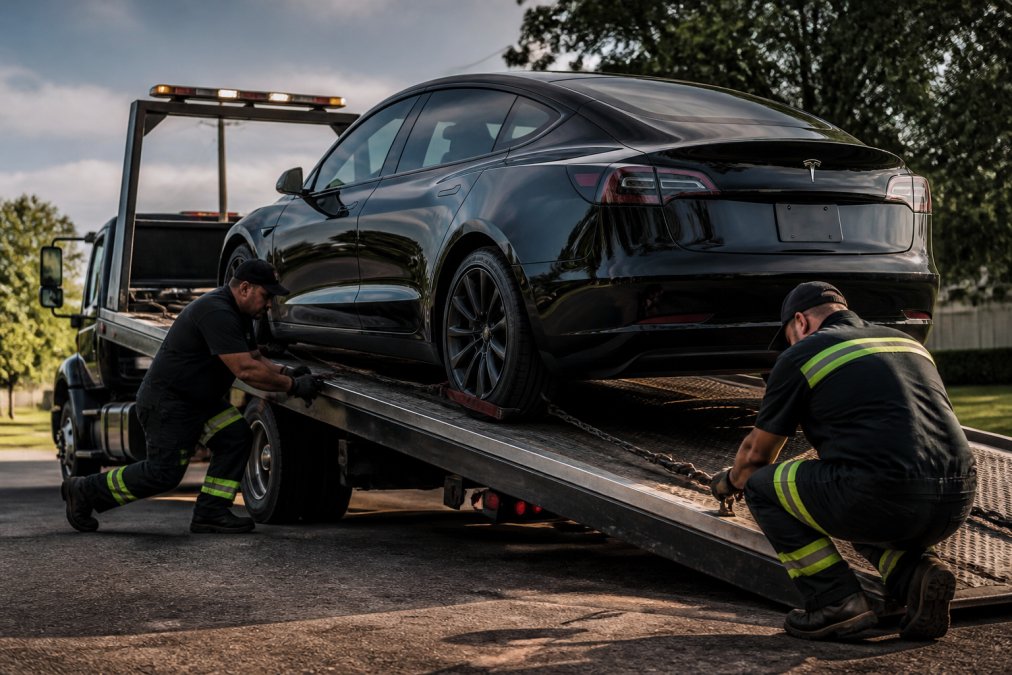
The reason is mechanical: electric vehicles have a different drivetrain architecture than gas-powered cars. When a traditional tow truck hooks to the frame and drags an EV, the wheels rotate while the motor is disengaged, which can cause internal drivetrain damage. Flatbed towing eliminates this risk by keeping all four wheels stationary and off the ground. transporting delicate items.
Beyond the towing method itself, EV owners should verify that the operator has specific training in electric vehicle transport. Not all tow operators understand the nuances of EV battery systems, charging ports, or how to safely move a vehicle with a high-voltage battery pack. Ask directly: "Have you towed Teslas or other electric vehicles before? What’s your experience with EV-specific transport?"
Battery charge matters too. If your Tesla’s battery is critically low, the vehicle may not have enough power to open doors or allow the operator to move it slightly for positioning. Ideally, keep your EV charged to at least 20% to avoid complications during transport. If you’re stranded with a dead battery, inform the tow operator so they can plan accordingly.
For drivers in the Tulsa area with Teslas or other electric vehicles, Neptune Towing specializes in EV transport and understands the specific requirements that keep your vehicle safe. Choosing an operator with EV expertise isn’t optional, it’s essential protection for your investment.
Communicate Clearly With Your Towing Provider
Clear communication between you and your tow operator prevents misunderstandings, delays, and mistakes that could compromise safety or damage your vehicle. When you call for a tow truck, have specific information ready before the conversation begins.
Provide your exact location: street address, mile marker, or intersection. If you’re on a highway, specify which direction you’re heading and which side of the road you’re on. Describe your vehicle accurately, make, model, color, and year. Let the operator know whether your vehicle starts or can roll, and describe any visible damage from the incident that caused the breakdown.
Explain your vehicle’s current condition: Is it stuck in a ditch? Disabled on the shoulder? Involved in a collision? Each situation requires different equipment and approach. If your vehicle has mechanical issues, describe them: "It won’t start," "The engine is smoking," "The transmission is making noise." These details help the operator arrive with the right equipment and know what precautions to take.
Most importantly, communicate your intended destination. Are you going to a specific repair shop, your home, or a dealership? Provide the address so the operator can plan the route and give you an accurate timeframe. If you have insurance that covers towing, mention it upfront so the operator can verify coverage and avoid billing complications.
The [best towing](/blog/5-ways-to-choose-the-best-towing-company-in-tulsa/) experiences happen when the driver and operator are on the same page from the first phone call. Specific information prevents delays and ensures the right equipment arrives for your situation.
Verify Credentials and Insurance Coverage
Before a tow truck arrives at your location, verify that the company is legitimate, licensed, and properly insured. This step protects you financially and ensures you’re dealing with a professional operation, not a fly-by-night service.
Ask for the company’s USDOT number and verify it through the Federal Motor Carrier Safety Administration database (fmcsa.dot.gov). Request proof of active insurance coverage and confirm that the policy includes cargo coverage for vehicles in transport. A legitimate towing company will provide this information without hesitation.
Check whether the company is bonded and licensed in Oklahoma. Verifying credentials upfront prevents becoming a victim of fraud or scams.
For local towing in Tulsa and surrounding areas, Neptune Towing has been licensed and bonded since 2010. As an owner-operated business, we’re directly accountable to our customers, there’s no corporate buffer or call center between you and the person responsible for your vehicle’s care.
Ask about the company’s experience with your vehicle type. Have they towed luxury vehicles? Electric vehicles? Motorcycles? Classic cars? A company with experience handling your specific vehicle type is more likely to use the right equipment and approach. Don’t assume all tow trucks are created equal, they’re not.
Document Your Vehicle’s Condition Before Transport
Documentation is your protection against disputes about damage. Before the tow truck arrives, take detailed photographs of your vehicle from multiple angles, including close-ups of any existing damage, dents, or wear.
Once the operator arrives, walk around the vehicle together if possible and point out any pre-existing damage. Some operators will note this on a work order; others may take their own photos. Ask for a written record of the vehicle’s condition before transport begins. This creates a clear baseline that protects both you and the tow company.
During transport, your vehicle may shift slightly or settle differently on the flatbed, which is normal. However, any new damage, scratches, dents, or broken components, should be documented immediately upon arrival at your destination. Take photos right away while the damage is fresh and before you move the vehicle.
If damage occurs during transport, report it to the towing company immediately and provide your photographic evidence. A professional, reputable company will take responsibility and work with you to resolve the issue. This is why choosing a trustworthy local operator matters, they care about their reputation and will stand behind their work.
Safe vehicle transport starts with choosing the right method, verifying proper securement, and communicating clearly with your tow operator. Whether you’re dealing with a breakdown on I-44, a collision in Bixby, or an EV that needs damage-free transport, these nine practices protect your vehicle and give you peace of mind during a stressful situation.
When you need a tow truck in Tulsa or the surrounding area, Neptune Towing is ready to help. We specialize in flatbed towing, EV transport, and damage-free vehicle recovery. Call (539) 292-3074 for immediate assistance, and experience the difference that owner-operated, customer-first service makes when you need help most.
=== FAQ ANSWERS (audit these too, same rules) ===
[1] Q: What is the safest way to transport a car in Tulsa?
A: Flatbed towing is the safest method for most vehicles, especially luxury cars, low-clearance vehicles, and electric vehicles. All four wheels are lifted off the ground, eliminating friction and wear on the drivetrain. For standard towing, ensure the operator uses proper four-point securement with chains or straps, and verify they have experience with your vehicle type. Always choose an owner-operated towing company with transparent service practices and damage-free equipment.
[2] Q: Why is flatbed towing recommended for luxury and electric vehicles?
A: Flatbed towing keeps all four wheels off the ground, preventing drivetrain damage and wear that occurs when wheels are dragged. For electric vehicles like Teslas, this is critical, manufacturer guidelines specifically recommend flatbed towing only, never hook-and-chain methods. Luxury vehicles benefit from the same protection, avoiding suspension stress and cosmetic damage. The method also reduces the risk of fluid leaks or transmission damage during transport.
[3] Q: How do I prepare my car for professional towing or transport?
A: Wash your vehicle to identify existing damage, remove personal items, check for fluid leaks, and keep approximately one-quarter tank of fuel. Inspect tires and battery condition, disable alarm systems, and document your vehicle’s condition with photographs before transport begins. Provide the towing operator with your vehicle’s make, model, whether it starts, any collision damage, and your intended destination. Clear communication prevents misunderstandings and ensures safe handling.
[4] Q: What should I look for in a local, owner-operated towing company?
A: Verify the company is licensed and bonded, ask about their experience with your vehicle type, and confirm they use damage-free equipment like flatbed trucks and proper securement systems. Owner-operated companies typically provide direct communication without call center intermediaries, which means faster response times and more accountability. Ask about their approach to vehicle handling, whether they offer transparent pricing upfront, and confirm they do not rely on impound or storage fees as part of their business model.
Frequently Asked Questions
What is the safest way to transport a car in Tulsa?
Flatbed towing is the safest method for most vehicles, especially luxury cars, low-clearance vehicles, and electric vehicles. All four wheels are lifted off the ground, eliminating friction and wear on the drivetrain. For standard towing, ensure the operator uses proper four-point securement with chains or straps, and verify they have experience with your vehicle type. Always choose an owner-operated towing company with transparent service practices and damage-free equipment.
Why is flatbed towing recommended for luxury and electric vehicles?
Flatbed towing keeps all four wheels off the ground, preventing drivetrain damage and wear that occurs when wheels are dragged. For electric vehicles like Teslas, this is critical, manufacturer guidelines specifically recommend flatbed towing only, never hook-and-chain methods. Luxury vehicles benefit from the same protection, avoiding suspension stress and cosmetic damage. The method also reduces the risk of fluid leaks or transmission damage during transport.
How do I prepare my car for professional towing or transport?
Wash your vehicle to identify existing damage, remove personal items, check for fluid leaks, and keep approximately one-quarter tank of fuel. Inspect tires and battery condition, disable alarm systems, and document your vehicle's condition with photographs before transport begins. Provide the towing operator with your vehicle's make, model, whether it starts, any collision damage, and your intended destination. Clear communication prevents misunderstandings and ensures safe handling.
What should I look for in a local, owner-operated towing company?
Verify the company is licensed and bonded, ask about their experience with your vehicle type, and confirm they use damage-free equipment like flatbed trucks and proper securement systems. Owner-operated companies typically provide direct communication without call center intermediaries, which means faster response times and more accountability. Ask about their approach to vehicle handling, whether they offer transparent pricing upfront, and confirm they do not rely on impound or storage fees as part of their business model.
This article was written using GrandRanker