
Table of Contents
- Flatbed Towing: The Gold Standard for Classic Car Transport
- Open vs. Enclosed Transport: Which Method Protects Your Investment
- How to Prepare Your Classic Car for Transport
- Damage-Free Towing: What Sets Professional Service Apart
- Choosing a Local Towing Company You Can Trust
- Insurance, Documentation, and Post-Transport Inspection
- Conclusion
Last Updated: August 19, 2026
When your classic car breaks down on I-44 or you need to move a prized collection piece across town, how you transport it matters. One wrong move, a hook through the bumper, excessive towing angle, or exposure to harsh weather, can cost thousands in repairs or permanently damage irreplaceable components. The best ways to transport classic cars come down to understanding your options, knowing what protects your investment, and choosing a service that treats your vehicle like it matters. Because at Neptune Towing, it does.
Flatbed Towing: The Gold Standard for Classic Car Transport
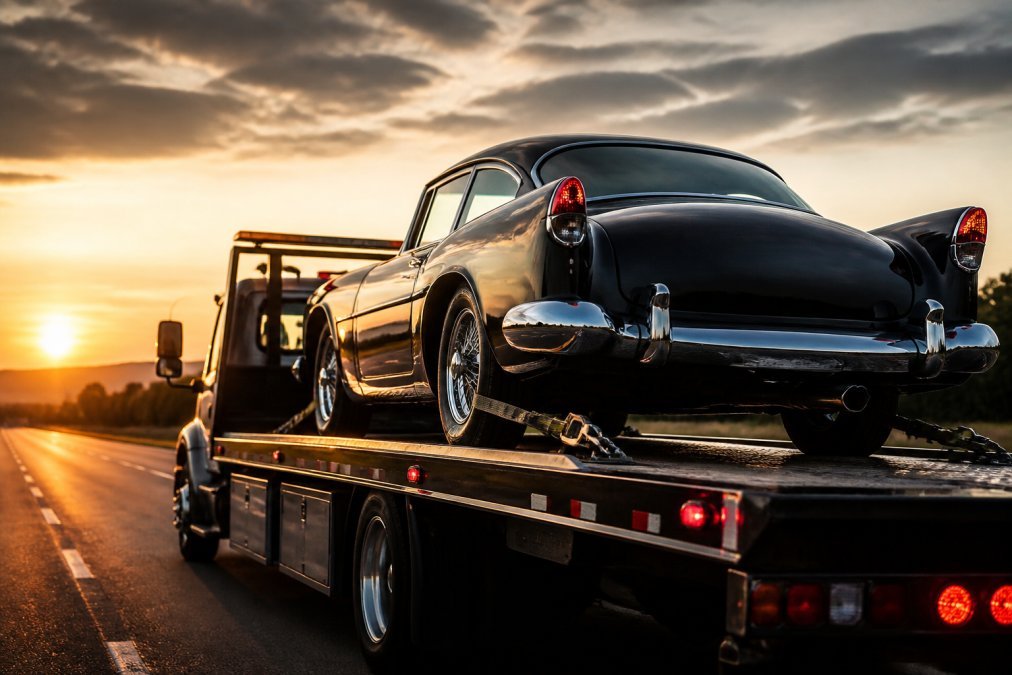
Flatbed towing is the only safe method for transporting classic cars in the Tulsa area. This method keeps all four wheels supported on a flat, level surface, preventing suspension strain, alignment damage, and potential frame stress common in older vehicles.
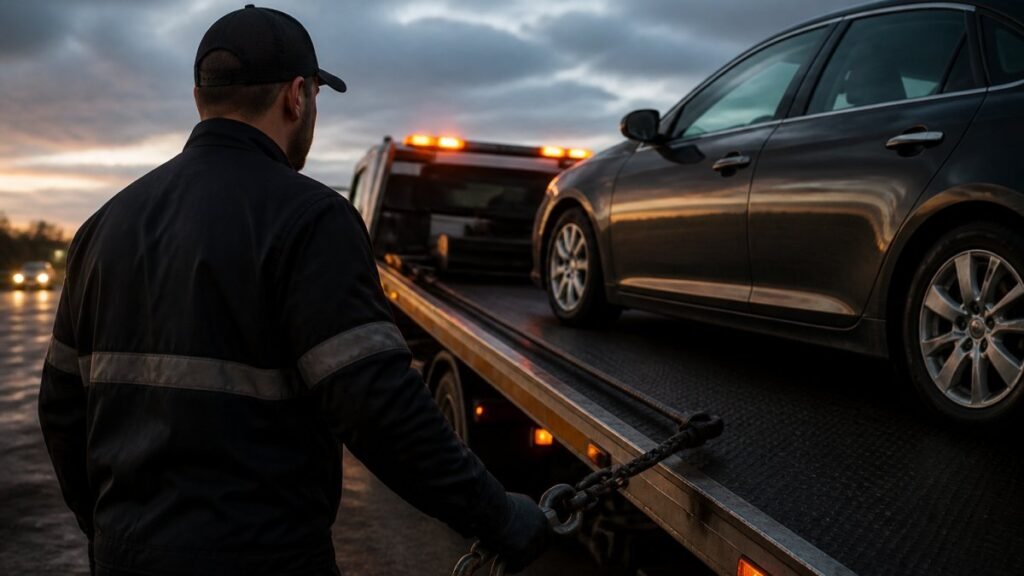
Unlike hook-and-chain towing or wheel-lift methods that can damage bumpers and undercarriage components, a flatbed truck fully supports your classic car’s weight. The vehicle sits securely on a flat platform with no wheels hanging over the edge, eliminating suspension sagging, drivetrain stress, and cosmetic damage.
The suspension on older vehicles was designed for different road conditions and weights than modern cars. Towing a classic car on two wheels forces the suspension to support weight it wasn’t built to handle. Frame damage can be invisible at first but shows up months later as alignment problems, creaking sounds, or handling issues that are expensive to diagnose and repair.
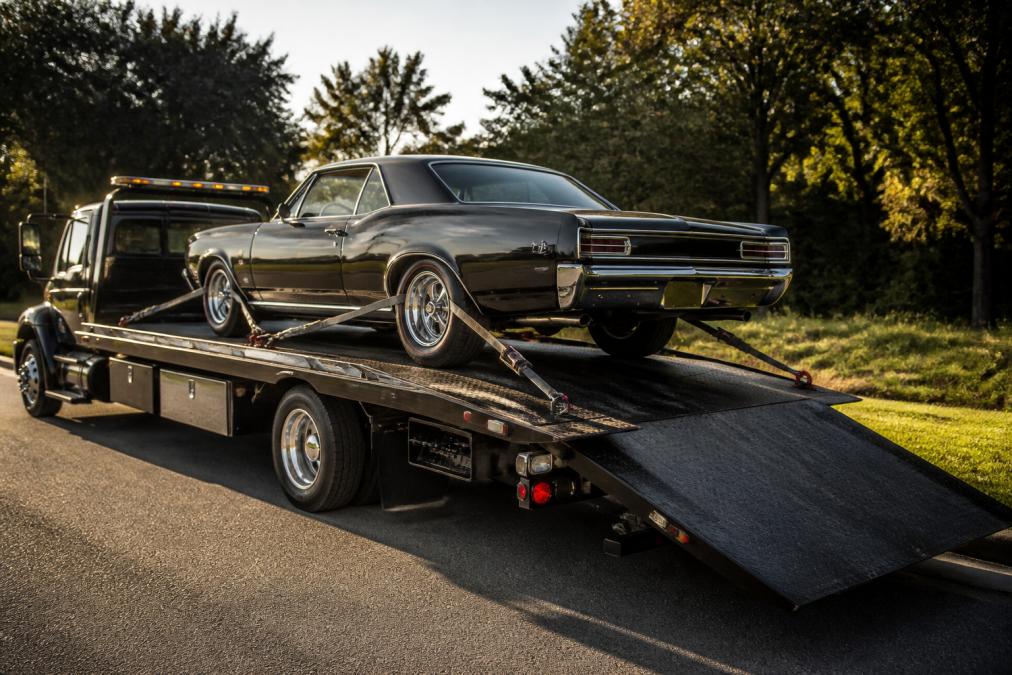
Neptune Towing operates flatbed trucks specifically designed for damage-free transport. The flatbed platform accommodates vehicles of various lengths, and the hydraulic lift gate lowers smoothly to ground level, eliminating the need to drive a classic car up a steep ramp. This matters for low-clearance vehicles like sports cars or modified classics that could scrape their undercarriage.
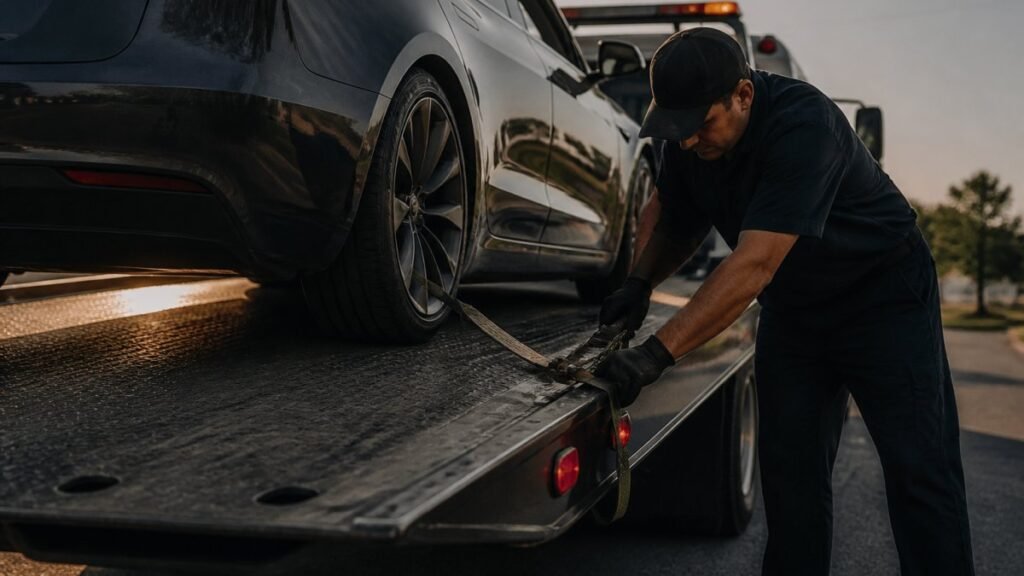
Proper securement is just as important as the flatbed itself. Your classic car is secured with soft-tie straps, never chains or metal hooks, that distribute pressure across the frame and suspension mounting points. The straps are positioned at four points to keep the vehicle stable during transport, whether you’re heading to a repair shop in Broken Arrow or moving your collection across the metro area.
Request flatbed towing when you call. Some towing services use hook-and-chain as their default and charge extra for flatbed service. Neptune Towing uses flatbed for classic cars automatically, no upcharge, no negotiation needed.
Open vs. Enclosed Transport: Which Method Protects Your Investment
Two main transport methods exist for longer-distance classic car moves: open-air carriers and enclosed trailers.
Open-Air Carriers
Open-air carriers transport your classic car on an exposed trailer with other vehicles. The car is visible from the road and exposed to weather, road debris, and temperature changes during transit. This method is more economical because carriers can move multiple vehicles at once.
Open-air transport works for vehicles already in daily driver condition. But for a classic car with original paint, chrome trim, or delicate components, open-air transport introduces unnecessary exposure. Road debris kicked up by other vehicles, salt spray from winter roads, and UV exposure can damage original finishes. Temperature swings between day and night cause condensation inside door panels and window seals.
Enclosed Auto Transport
Enclosed auto transport carriers protect your classic car inside a covered trailer, safeguarding it from road debris and weather. These carriers often include specialized equipment like wheel straps, tie-downs, rails, and air-ride suspension. Climate control options, such as heating and cooling systems and ventilation, are crucial for classic cars, as severe temperature extremes can damage delicate vintage components and seals during long transit.
Standard auto insurance typically limits coverage to around $100,000, which is often insufficient for classic cars. Collectors should carry additional insurance limits above normal policies to protect their investment. Enclosed auto transport companies often offer tailored extra insurance for collector cars.
For a local move within the Tulsa metro, say, from your home in Sapulpa to a restoration shop in Tulsa, enclosed transport may not be necessary. For cross-country moves or transport to car shows, enclosed protection is worth the investment.
Never assume your personal auto insurance covers transport by a third party. Many policies exclude towing or transport damage. Verify coverage with your insurer before booking transport, and ask the carrier what liability they cover.
| Transport Method | Protection Level | Best For | Key Consideration |
|---|---|---|---|
| Flatbed (local) | High | Short-distance moves, daily use | No weather exposure, proper securement |
| Open-air carrier | Medium | Budget-conscious longer moves | Exposed to elements, acceptable for drivers |
| Enclosed trailer | Maximum | Valuable classics, long distances | Higher cost, climate control available |
How to Prepare Your Classic Car for Transport
Before your classic car gets loaded onto a flatbed or into a transport carrier, a few preparation steps protect both the vehicle and the towing team.
Document the condition of your classic car with photos and video before the tow truck arrives. Check for any existing damage, note the fuel level, and confirm the odometer reading. This creates a record that protects you if a claim becomes necessary later.
Check your fuel level. Most towing services prefer vehicles to arrive with a quarter tank or less. A full tank adds weight and creates a safety concern during loading. An empty tank is also problematic because the fuel pump won’t function. A quarter tank is the sweet spot.
Disable any security systems that might activate during transport. Modern cars have motion sensors that trigger alarms when the vehicle moves without the ignition on. A blaring alarm during a multi-hour tow can drain your battery. Check your owner’s manual for how to disable the alarm, or let the towing service know it might activate.
Remove or secure any loose items inside the car. Shift the transmission to neutral (or Park for automatics) and leave the steering wheel unlocked. For classic cars, check that all windows and doors close properly. If you’re transporting a convertible, make sure the top is up and latched. Verify that the car will roll freely.
The most important preparation step is communication. Tell [Neptune Towing](/local-towing-company-broken-arrow/) about any quirks, a sticky door, a temperamental starter, low ground clearance, or a custom suspension. The more the driver knows before arriving, the smoother the process goes.
Damage-Free Towing: What Sets Professional Service Apart
Damage-free towing isn’t just a marketing phrase, it’s a specific set of practices that protect your vehicle during the loading, transport, and unloading process.
Professional damage-free towing starts with the right equipment. A flatbed truck with a hydraulic lift gate, soft-tie straps, and proper securement points is the foundation. But equipment alone isn’t enough. The driver needs training and experience handling vehicles of different sizes, weights, and conditions. insuring your classic vehicle.
When Neptune Towing arrives for a classic car transport, the flatbed is positioned level with the ground using the hydraulic lift gate. The car is driven or rolled gently onto the platform, never forced or rushed. The driver assesses the vehicle’s height, weight distribution, and any low-hanging components like custom bumpers or air dams.
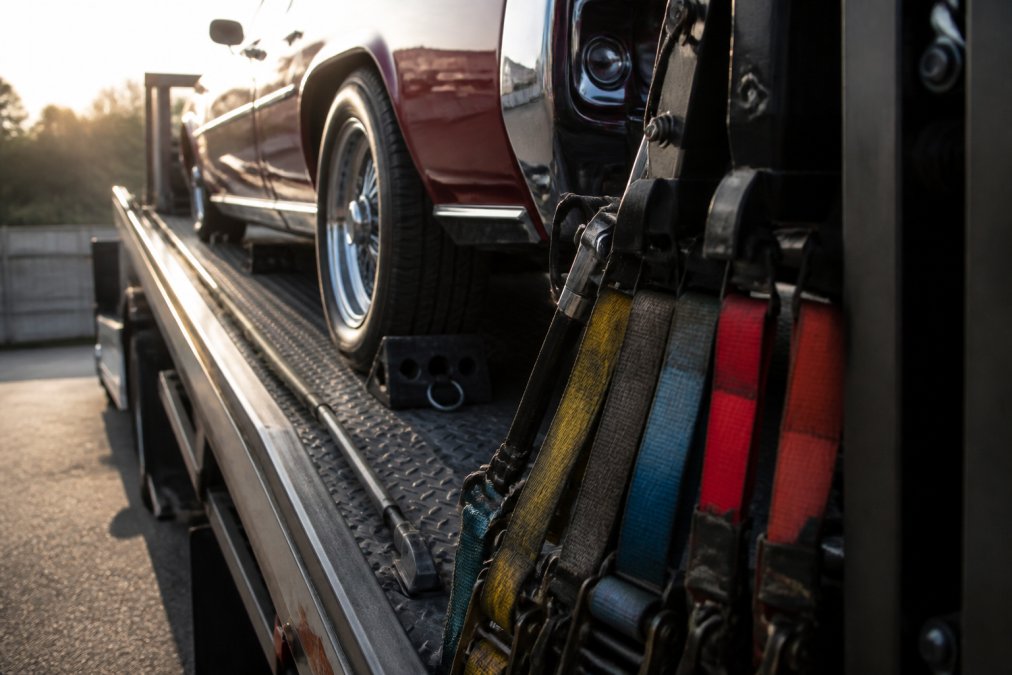
Four soft-tie straps are positioned at the vehicle’s frame attachment points, never wrapped around bumpers, trim, or suspension components. The straps are tightened evenly to hold the car securely without over-tightening, which can stress the frame. The goal is to prevent any movement during transport while distributing pressure safely.
The difference between damage-free and careless towing often comes down to driver experience with your specific vehicle type. A driver who regularly handles classic cars knows that older suspension components are more delicate, that original chrome can chip easily, and that certain vehicles need extra clearance considerations.
Choosing a local towing company matters. Neptune Towing has been serving the Tulsa area since 2019, handling everything from daily drivers to classic collections. The team knows local roads, understands the vehicles in the area, and has experience with the specific challenges classic car owners face.
Choosing a Local Towing Company You Can Trust
When you need a tow truck in Tulsa, the question isn’t just who can get there fastest, it’s who will treat your vehicle with care and give you honest service.
Large national towing companies operate through call centers and dispatch networks. You call a number, get transferred to a contractor, and wait for whoever’s available. There’s no accountability because you’re not dealing with the same person twice. If something goes wrong, you’re filing a claim with a corporate office that’s never seen your vehicle.
A local towing company operates differently. Neptune Towing is owner-operated, which means the person who answers the phone is the same person who oversees the service. When you have a question about your tow, you get a direct answer from someone who knows your situation. When something goes wrong, you’re talking to the owner, not a claims department.
Owner-operated also means the business survives on reputation. Neptune Towing doesn’t profit from impounds or storage fees. The model is simple: provide good service, treat customers fairly, and earn the trust that keeps people calling back. You’re not dealing with a company that makes money by keeping your car in a lot, you’re dealing with a company that makes money by solving your problem quickly.
Damage-free towing is a concrete example of this difference. A towing service focused on volume might use hook-and-chain because it’s faster and cheaper. Neptune Towing uses flatbed because it’s right. That choice costs more and takes longer, but it protects your vehicle. The difference reflects the owner’s values, and those values are why people in Broken Arrow, Bixby, and Glenpool call Neptune Towing.
When choosing a local towing company, ask specific questions. How long has the company been operating? Is it owner-operated? What equipment do they use for classic cars? Can they provide references? A company confident in its work will answer these questions directly.
Insurance, Documentation, and Post-Transport Inspection
After your classic car arrives at its destination, the transport process isn’t complete until you’ve verified the vehicle’s condition and handled the paperwork correctly.
Documentation starts with the bill of lading, the transport contract that outlines the pickup location, delivery location, vehicle description, and any special handling notes. Review this document before the tow truck leaves your location. Make sure the vehicle description is accurate and that any damage noted during pickup is documented.
When the vehicle is delivered, perform a thorough post-transport inspection. Compare the vehicle’s condition to the photos you took before transport. Check for any new scratches, dents, or damage to paint or trim. Inspect the undercarriage and wheel wells for damage.
If you notice any damage, document it immediately with photos and notify the towing service and your insurance carrier. Most transport companies require damage claims to be filed within a specific timeframe. The sooner you report damage, the sooner the claim process begins.
For your classic car’s records, keep all transport documentation. This includes the bill of lading, any insurance paperwork, and photos from before and after transport. If you ever sell the vehicle, this documentation shows that the car was transported professionally and arrived in good condition.
Classic car owners in Tulsa, Bixby, and surrounding areas who need local, damage-free flatbed towing and want to work directly with an owner-operated business that doesn’t impound vehicles.
Transporting a classic car safely means choosing the right method, preparing the vehicle properly, and working with a towing service that understands what’s at stake. Flatbed towing eliminates suspension strain and frame damage. Damage-free practices protect paint, chrome, and delicate components. Choosing a local, owner-operated company like Neptune Towing means you’re working with someone who has a reputation to protect and a direct stake in getting your vehicle to its destination safely.
When you need to move a classic car in the Tulsa area, call someone who treats your vehicle like it matters. Neptune Towing is ready to help. Call (539) 292-3074 for flatbed towing that protects your investment, whether it’s a short move across town or a trip to a car show. As an owner-operated business serving Tulsa, Jenks, Bixby, Broken Arrow, Glenpool, Owasso, Sapulpa, and surrounding communities, Neptune Towing provides the damage-free service and honest communication that classic car owners deserve.
Frequently Asked Questions
What is the safest method for transporting a classic car?
Flatbed towing is the safest method for transporting classic cars. All four wheels rest on a flat, level surface, which prevents suspension strain, alignment damage, and frame stress. This approach keeps your vehicle completely off the ground and eliminates the risk of drivetrain damage or wear. Professional flatbed services use soft-tie straps and proper securement techniques to hold your car in place without damaging paint or trim. For longer distances or extreme weather, enclosed flatbed transport provides additional protection from road debris and temperature fluctuations.
Why is flatbed towing recommended for vintage vehicles?
Flatbed towing is recommended for vintage vehicles because it eliminates contact between your car's wheels and the road. Classic cars often have delicate suspension systems, original seals, and finishes that deteriorate easily. Wheel-lift or dolly towing can cause alignment issues, transmission damage, and mileage accumulation. Flatbed towing keeps the entire vehicle stationary and secure, protecting irreplaceable components. For owners in the Tulsa area with valuable classics, flatbed towing Tulsa services ensure your investment stays safe during transport to shows, storage, or repair facilities.
How do I prepare my classic car for transport?
Before transport, document your car's condition with photos and note the odometer reading. Check fluid levels and ensure the battery is secure. Remove or secure loose items inside and outside the vehicle. If the car hasn't run recently, have a mechanic verify it's safe to tow. Disable the alarm system to prevent false triggers during transit. Communicate any special handling needs to your towing service, such as low clearance, custom paint, or mechanical issues. For classic car transport preparation, provide the service with details about your vehicle's age, value, and any modifications so they can use appropriate equipment.
What should I look for in a local towing company for classic cars?
A reliable local towing company should have experience handling classic and vintage vehicles, not just standard cars. Look for owner-operated businesses where accountability is personal, not corporate. Verify they use flatbed equipment specifically, not wheel-lift trucks. Ask about their tie-down and securement methods, soft-tie straps protect paint and trim better than chains. Check if they're licensed and bonded, and ask about insurance coverage for your vehicle's value. A trustworthy local towing company will provide transparent pricing upfront, offer 24/7 availability, and prioritize damage-free handling over quick turnaround times.
This article was written using GrandRanker