

Table of Contents
- Why Proper Preparation Matters for Classic Car Transport
- Start With a Complete Vehicle Inspection and Condition Report
- Classic Car Transport Checklist: What to Do Before Pickup
- Classic Car Transport Battery and Fuel Preparation
- Preparing a Non-Running Classic Car for Transport
- Classic Car Shipping Insurance and Inspection Procedures
- Choosing the Right Transport Method and Carrier
- Inspection and Acceptance at Delivery
- Frequently Asked Questions
Last Updated: October 8, 2026
Why Proper Preparation Matters for Classic Car Transport
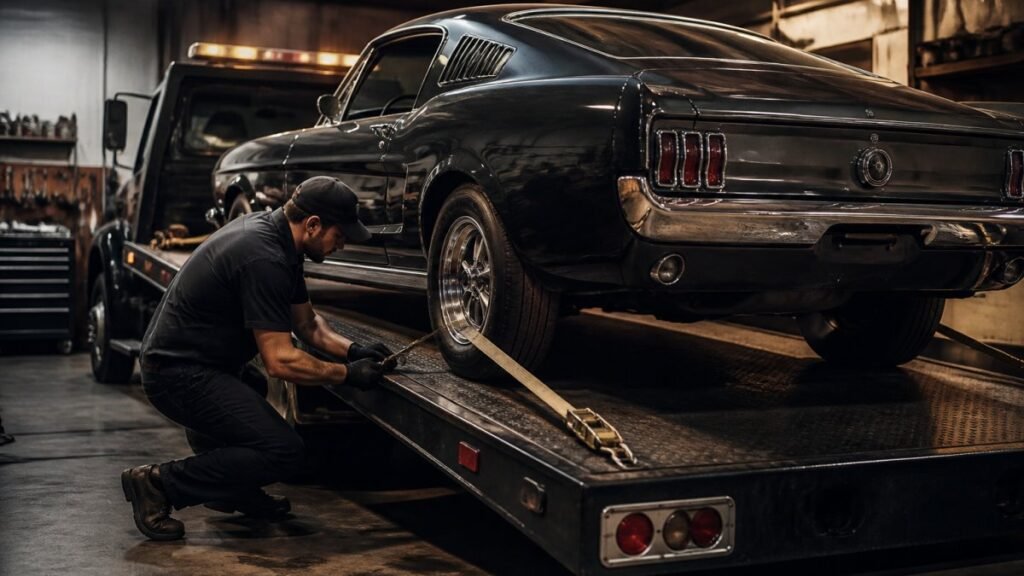
Moving a classic car isn’t like towing a daily driver. Learning how to prepare classic car for transport properly protects an investment that may have taken years to restore.
A few hours of preparation upfront prevents thousands in repair costs later.
At Neptune Towing, we provide damage-free towing for classic car owners throughout the Tulsa area. The key starts before the tow truck arrives.
Start your preparation at least one week before pickup. This gives you time to address any issues without rushing, which is when mistakes happen.
Start With a Complete Vehicle Inspection and Condition Report
Before any transport company touches your classic car, knowing how to prepare classic car for transport starts with documenting its exact condition. This protects you and sets clear expectations.
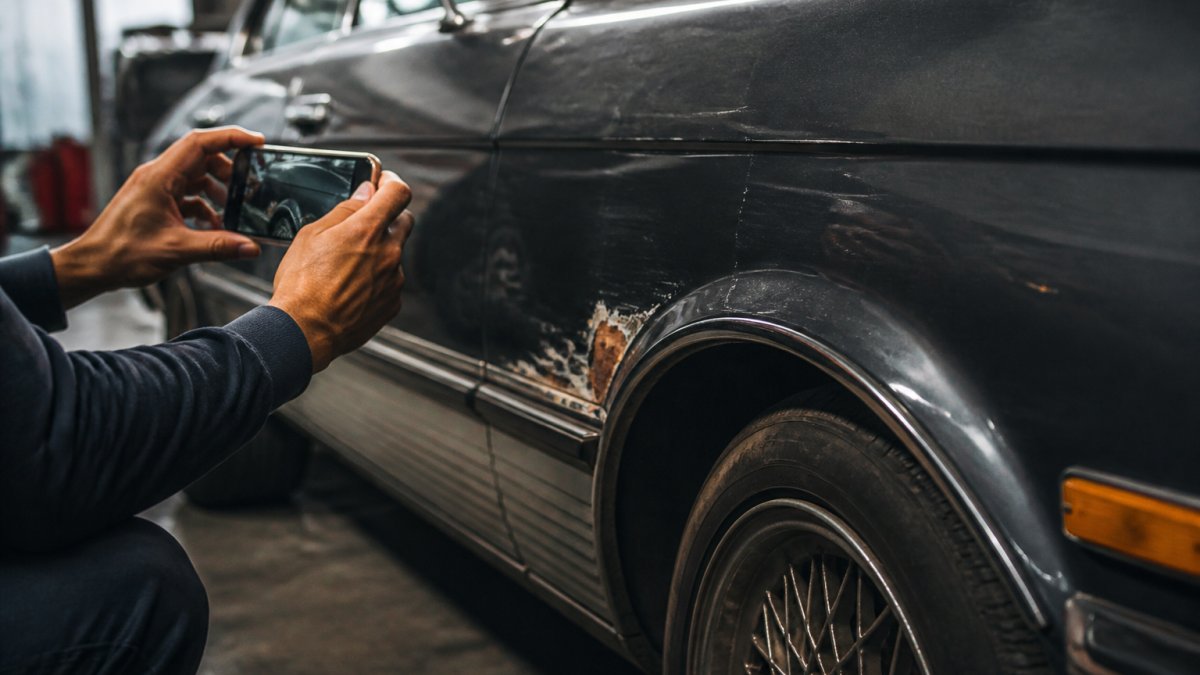
Document existing damage with photographs
Take photos of every angle in good daylight: front, rear, sides, roof, undercarriage, wheels, and interior. For existing damage, get close-ups.
Use your smartphone, make sure lighting shows details, and include a timestamp. Store the images where you can access them later.
This documentation is your proof of condition before transport if a dispute arises.
Check mechanical condition and fluid levels
Open the hood and check for leaks under the engine, plus brake fluid, coolant, and oil levels.
Most transport companies prefer about a quarter tank of fuel.
Inspect tires for damage, bulges, or low pressure, and check battery terminals for corrosion.
Document all of this in writing with the date and time.
A complete inspection takes 30 minutes and prevents disputes later. It’s the single best investment you can make before transport.
Classic Car Transport Checklist: What to Do Before Pickup
The week before your transport, work through this checklist to protect your vehicle and ensure smooth pickup.
Clean the exterior and interior
Wash your classic car thoroughly to remove dirt, grime, and road salt. This reveals hidden damage and makes inspection easier.
Clean the interior completely: dust surfaces, vacuum carpets and seats, and wipe windows.
Cleanliness matters because it makes new scratches or dents easy to spot.
Remove personal belongings and secure loose items
Secure anything that moves, tighten loose trim, and make sure hood and trunk latches are secure but not locked so the transport company has access.
Remove license plates if your state requires it, and check your manual for items that shouldn’t be in the car during transport.
This prevents loss and damage, since loose items can shift during transport.
Classic Car Transport Battery and Fuel Preparation
Your classic car’s battery and fuel system need specific attention before transport, they cause more loading-day surprises than anything else, especially on vehicles that sit between drives.
Battery preparation
Disconnect your battery before pickup to prevent electrical drain and reduce fire risk, and to protect sensitive electronics.
If your fuel pump runs constantly, disconnecting the battery is essential. If you’re unsure how, ask the transport company to do it at pickup.
A few classic-specific notes:
- Older cars with mechanical voltage regulators and generators can slowly drain a battery even when everything is off. A battery that was fine last month may be flat on pickup day.
- If your car has an aftermarket alarm, clock, or radio with a memory wire, those draw current continuously. Disconnecting the negative terminal first is the safe order.
- If the battery is more than four or five years old, load-test it before pickup. A weak battery that barely cranks in your driveway may not survive being winched onto a flatbed.
Fuel preparation
Check your fuel level one more time. A quarter tank provides enough fuel for loading and unloading without adding excessive weight.
If your classic car has been sitting, have a mechanic verify the fuel lines and pump. Old fuel can gum up injectors and lines.
A few fuel-system details that matter on vintage vehicles:
- Ethanol-blended gasoline absorbs water and degrades faster than the old formulations. Fuel that’s been in the tank for six months or more can separate and cause hard starting or stalling during loading.
- Carbureted cars hold fuel in the bowl. If the car has been sitting, that bowl may be varnished or the accelerator pump may be dry. A brief start and idle before pickup day confirms the car will move under its own power if the driver needs it to.
- Mechanical fuel pumps on older cars can lose their prime after long storage. If the car won’t stay running, tell the driver in advance so they plan for a non-running load.
Tires and rolling condition
Tires matter as much as the battery on a classic. Bias-ply tires that sit for months can develop flat spots, and radial tires on a car that hasn’t moved in a year may have sidewall cracks you can’t see until they’re under load.
- Inflate tires to the pressure listed on the door jamb or in the owner’s manual, not the maximum on the sidewall.
- Check for dry rot, cracking between tread blocks, and bulges. Any of those mean the tire shouldn’t be trusted to roll onto a trailer under its own power.
- If a tire won’t hold air, say so before pickup. A driver who knows ahead of time brings a skid or a wheel dolly instead of dragging a flat.
Take a photo of your battery terminals and your fuel gauge the day before pickup. If anything looks different when the car arrives, you have a clear before-and-after record.
Preparing a Non-Running Classic Car for Transport
Not every classic car runs. If yours doesn’t, preparation changes slightly but remains important.
If your vehicle won’t start, tell the transport company in advance.
Make sure the steering wheel moves freely and isn’t locked, which complicates loading.
Verify the brakes aren’t engaged, since a stuck parking brake can damage the vehicle during loading.
Document the vehicle’s condition in writing. Note that it’s non-running and why.
Never attempt to start a classic car that hasn’t run in years without professional help. Old fuel and degraded components can cause damage. Let the transport company handle loading a non-running vehicle.
::: Securing reliable transport services ensures that your vehicle remains protected from the mechanical risks associated with improper handling during transit.
Classic Car Shipping Insurance and Inspection Procedures
Insurance for classic car transport protects your investment during the journey. Understand what’s covered before your vehicle leaves.
How classic car coverage actually works
Most classic cars are insured on an agreed-value policy rather than a standard actual-cash-value policy. That distinction matters during transport.
- Agreed value means you and your insurer settled on a specific dollar figure for the car when the policy was written. If the car is damaged or totaled, that figure is the starting point for the claim.
- Actual cash value means the insurer pays what the car is worth on the open market at the time of loss, often far below what you have in a restored classic.
- If your car is on an agreed-value policy, keep a current copy of the policy declarations page with the car’s documentation in case a claim is filed.
What the carrier’s insurance does and doesn’t cover
Ask your transport company about their liability coverage. Most professional towing services carry insurance that covers damage during transport. Get the details in writing.
A few questions worth asking before you book:
- What is the carrier’s cargo liability limit per vehicle? If your car’s agreed value exceeds that limit, you have a gap.
- Does the carrier’s policy cover damage from loading and unloading, or only from transit?
- Is there a deductible on the carrier’s policy, and who pays it?
Document the policy number and coverage limits. Some policies exclude weather damage, road debris on open transport, or pre-existing mechanical issues that worsen in transit.
For high-value classics, consider separate transport insurance beyond the carrier’s standard coverage.
Documentation to keep
Before pickup, walk through the transport company’s formal inspection with the driver, point out existing damage, and have the driver note it on the form.
Keep copies of:
- The bill of lading or transport agreement, signed by both you and the driver
- The pre-transport condition report with the driver’s notes
- Your dated photographs of every angle of the car
At delivery, repeat the inspection, compare the vehicle to your pre-transport photos, and document any new damage before signing off.
Signing the delivery paperwork without noting damage can limit your ability to file a claim later. If you see something new, write it on the delivery receipt before you sign, and photograph it in front of the driver.
The inspection walk-around, step by step
A consistent inspection routine catches more than a casual glance, so walk the car the same way every time.
- Start at the front bumper and work clockwise. Photograph each panel in good light.
- Check the roof and hood for new scratches or dents from loading equipment.
- Look at all four wheels and tires for curb rash, flat spots, or damage from tie-down straps.
- Open the hood and trunk. Confirm nothing shifted or leaked during transit.
- Check the interior for anything that moved or was left behind.
- Look underneath the car for fresh fluid drips or scrapes on the frame or exhaust.
If you find new damage, document it immediately. Take photos. Get the driver’s statement in writing.
If everything looks good, sign the delivery paperwork. Keep a copy for your records.
Contact the transport company within 24 hours if you notice any damage you missed during initial inspection.
Choosing the Right Transport Method and Carrier
Not all transport methods suit classic cars equally, so understand your options before choosing.
Enclosed versus open transport trade-offs
Enclosed transport means your classic car travels in a covered trailer, protected from weather, road debris, and sun exposure.
Open transport uses an open trailer, exposing your vehicle to the elements.
For a classic you’ve invested time and money restoring, enclosed transport is worth it to avoid rain, dust, and UV damage.
What to verify before handing over your keys
Before handing over your classic car, verify the company’s licensing and insurance documentation.
Neptune Towing is licensed and bonded, and we’ve been serving the Tulsa area since 2019.
Ask about their experience with classic cars specifically.
Ask about their damage-free towing practices, how they secure your vehicle, and what equipment they use.
Inspection and Acceptance at Delivery
When your classic car arrives, the inspection matters as much as the one before pickup.
Check all four sides, the roof, undercarriage, wheels, hood, trunk, and interior.
If you find new damage, document it immediately. Take photos. Get the driver’s statement in writing.
If everything looks good, sign the delivery paperwork. Keep a copy for your records.
Frequently Asked Questions
How do you prepare a classic car for transport?
Start by documenting your car’s current condition with detailed photographs of all exterior surfaces, including the roof, undercarriage if accessible, wheels, and glass. Remove personal items, verify fuel and battery levels, and clean the interior. Check brake lines, fuel lines, and mechanical systems for leaks or corrosion. Disconnect the battery if the car will sit for an extended period. Confirm your insurance coverage and choose between enclosed or open transport based on your vehicle’s value and condition. Finally, verify your carrier’s credentials and damage liability coverage before pickup.
What should I photograph before transporting a classic car?
Photograph all four sides of the vehicle, the roof, undercarriage, wheels, tires, windows, mirrors, lights, and interior. Capture close-ups of any pre-existing damage, rust, dents, or paint issues. Document the odometer reading and fuel gauge level. Take photos of the engine bay, trunk or hood condition, and any modifications or special features. These photographs protect you by establishing the car’s condition before transport and help resolve any disputes about damage that occurs during shipping.
Should I disconnect the battery before transporting a classic car?
Disconnecting the battery is recommended if your classic car will be in transit for more than a few days or will sit idle before pickup. This prevents battery drain and reduces the risk of electrical issues during transport. For shorter trips or cars that will be driven onto the transport vehicle, disconnecting is optional but still a good precaution. Always disconnect the negative terminal first to prevent accidental shorts. If your car has an alarm system, confirm disconnecting the battery won’t trigger it during transport.
How much fuel should be in a classic car before transport?
Keep your classic car at about one-quarter tank of fuel before transport. This is enough for the carrier to load and unload the vehicle and handle it during transit without carrying excess weight. A full tank adds unnecessary weight and increases fire risk during transport. An empty tank can cause fuel pump damage and makes loading difficult. One-quarter tank strikes the right balance for safety, vehicle protection, and carrier logistics.
Preparing your classic car for transport takes time, but it’s time well spent. A few hours of inspection, documentation, and planning prevent expensive problems later. When you’re ready to move your vehicle, Neptune Towing handles classic cars with the care they deserve. Call us at (539) 292-3074 for damage-free flatbed towing throughout the Tulsa area. We’ll make sure your classic car arrives safely.