
Table of Contents
- When Professional Fuel Delivery Actually Saves You
- What to Do When Your Car Runs Out of Gas
- How Roadside Fuel Delivery Works
- Fuel Delivery vs. Walking to a Gas Station: The Real Comparison
- Emergency Fuel Delivery: When It’s the Smart Choice
- Insurance and Roadside Assistance Coverage
- When Fuel Delivery Isn’t Your Best Option
- Frequently Asked Questions
Last Updated: October 6, 2026
When Professional Fuel Delivery Actually Saves You
Running out of gas hits different depending on where you are and what time it is. At Neptune Towing, we handle roadside emergencies across Tulsa, Broken Arrow, Bixby, and surrounding areas daily.
Professional fuel delivery isn’t always the answer, but when conditions are right, it’s the smartest move you can make.
If you’re on I-44 during rush hour, on a dark highway at night, or in an unfamiliar area, fuel delivery isn’t a luxury, it’s the safer choice. Walking miles to find a gas station puts you at risk in ways that aren’t obvious until you’re already out there.
What to Do When Your Car Runs Out of Gas
When your fuel gauge hits empty, your first instinct might be to grab a gas can and start walking. Don’t. Get yourself and your vehicle to safety first.
Safety First: Stay in Your Vehicle
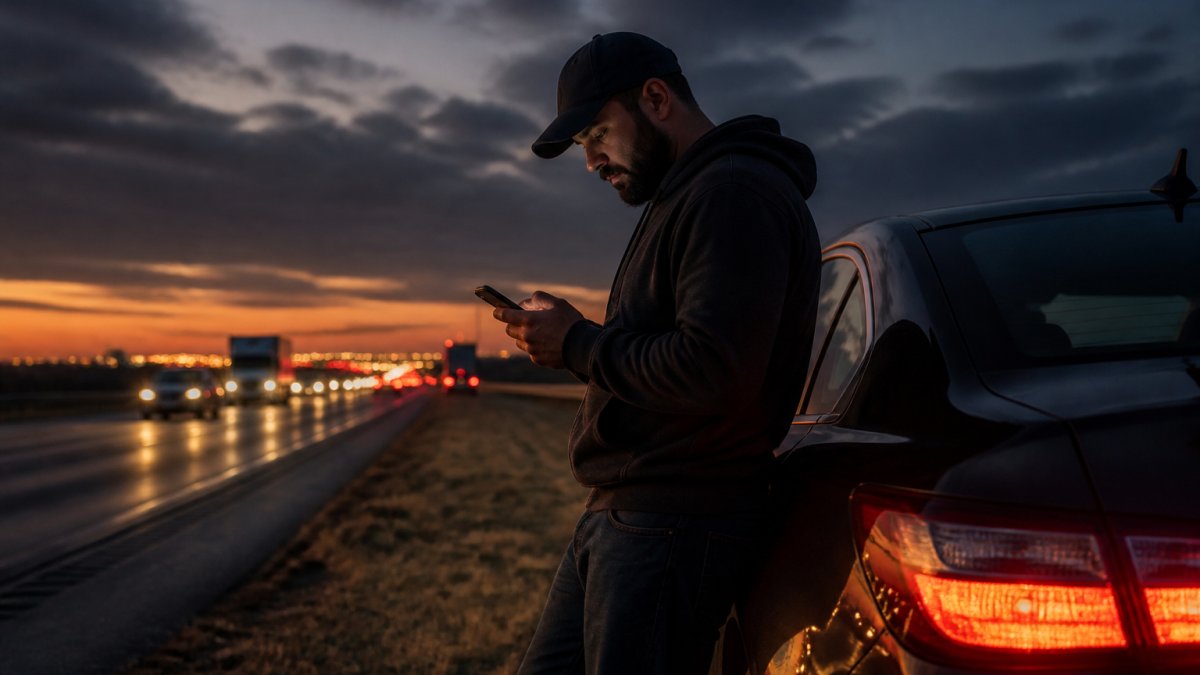
Stay inside your car with the doors locked and your hazard lights on. On a highway or busy road, staying visible in your vehicle is far safer than wandering the shoulder where passing drivers may not see you.
In a dangerous spot, a dark highway, bad weather, or an unfamiliar area, staying put is non-negotiable. Your vehicle is shelter, it’s visible, and it’s a known location if you call for help.
Call for Help Before You’re Desperate
The best time to call for roadside assistance is before you’re in full panic mode. You’ll think more clearly and know exactly where you are.
Have your location ready when you call. If you’re on I-44 near the Broken Arrow exit, say that.
Tell the dispatcher you need fuel delivery, not a tow.
How Roadside Fuel Delivery Works
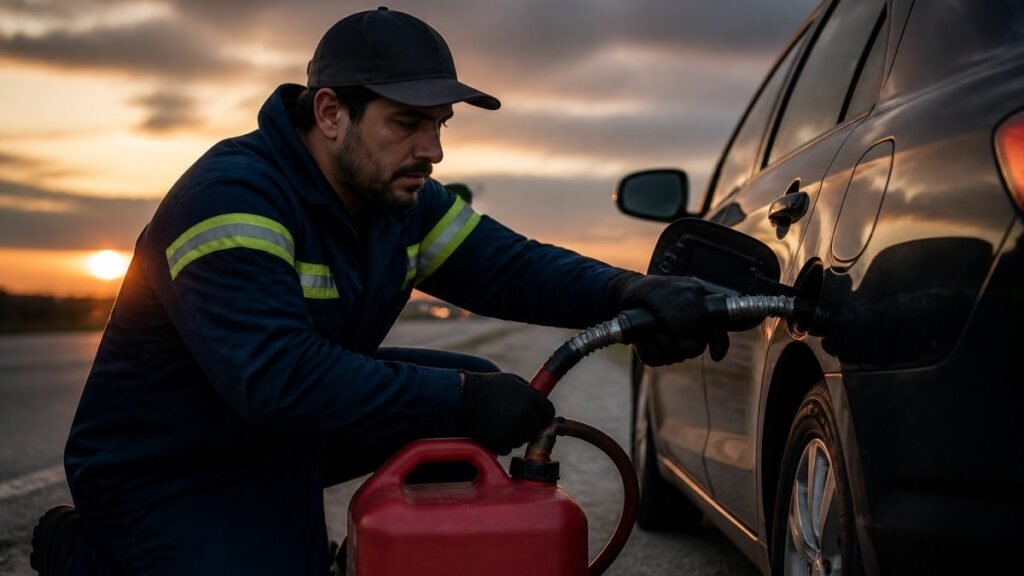
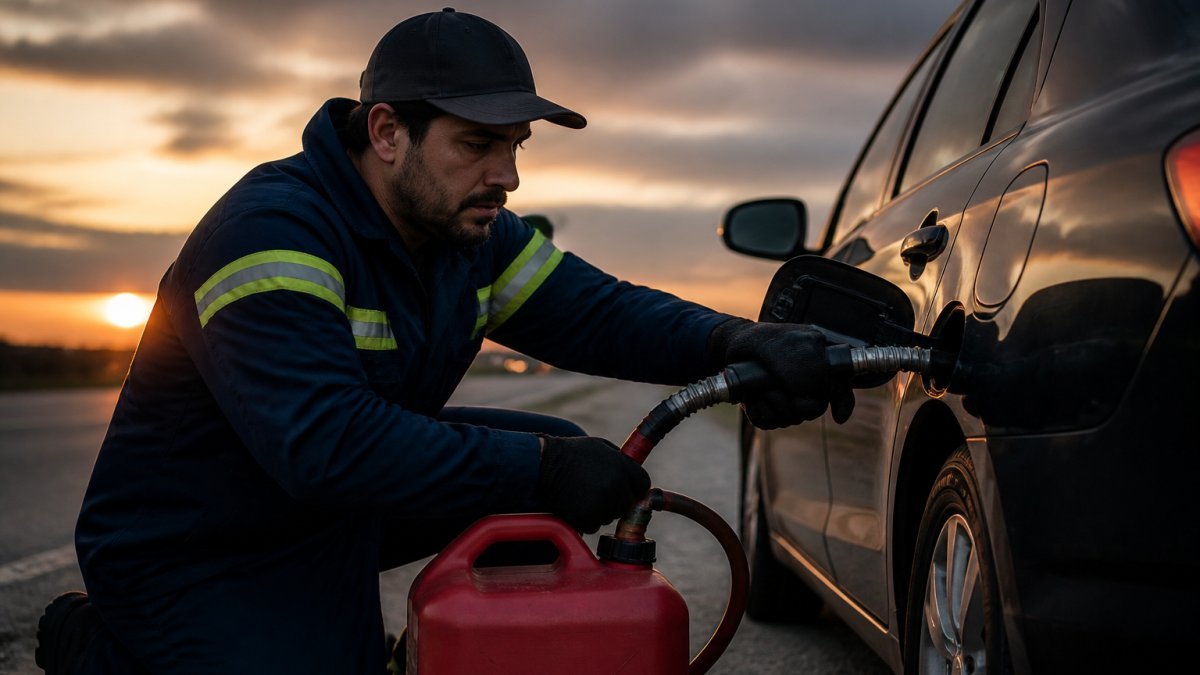
Professional fuel delivery is straightforward: you call, describe your location and vehicle, and a truck with fuel meets you where you are. The driver brings the fuel, you add it to your tank, and you’re back on the road.
Dispatch and Response Time
When you call for fuel delivery, dispatch sends your information to the nearest available driver. Response time depends on how busy the service is, how far you are from their base, traffic, and whether fuel trucks are already nearby.
Ask for an estimated arrival window if the dispatcher doesn’t offer one.
Always ask for an estimated arrival time when you call. Knowing when to expect help reduces anxiety and helps you plan your next move.
Fuel Type and Vehicle Compatibility
This matters more than most drivers realize. A diesel truck needs diesel; a car on regular unleaded gets regular unleaded. The service should confirm your vehicle type and fuel grade before dispatch.
If you’re unsure what fuel your vehicle uses, check your owner’s manual or the inside of your fuel door. Tell the dispatcher the exact fuel type, the wrong fuel is worse than a longer wait for the right one.
Fuel Delivery vs. Walking to a Gas Station: The Real Comparison
This is where the decision gets made. Professional fuel delivery costs money; walking is free. But “free” ignores the real costs of walking, and “costs money” doesn’t tell you whether the call is worth making.
Time, Distance, and Personal Safety
Walking to a gas station sounds simple until you do the math.
Time matters too. A three-mile walk takes an hour or more, during which you’re away from your vehicle, your phone is draining, and conditions may worsen.
Professional fuel delivery brings fuel to you, so you stay safe, stay with your car, and get back on the road faster than walking would allow.
What Actually Drives the Cost of Fuel Delivery
Fuel delivery pricing isn’t a single number, it’s a few components stacked together. Knowing them helps you ask the right questions before you commit:
Ask the dispatcher to walk you through each of these so there are no surprises. A reputable local towing company explains what the call involves before the truck rolls. If a provider won’t explain the fee structure up front, that’s a red flag.
Before you agree to dispatch, ask about the fee structure. Getting those answers tells you exactly what you’re agreeing to.
Comparing Delivery Against Your Other Options
Once you understand the cost components, compare them against the alternatives:
- Walking to a station. Free in dollars, expensive in time and risk. Only realistic if a station is close, the area is safe, and the weather cooperates.
- Calling a friend or family member. Free or nearly free, but depends on someone available and willing to bring a gas can. It can take as long as a delivery truck and puts a second person on the roadside.
- Using a roadside-assistance plan. If you already have coverage through your insurer, auto club, or credit card, fuel delivery may be included or heavily discounted, see the coverage section below.
The honest framing: fuel delivery is worth it when the alternative is unsafe, slow, or unreliable. It’s less obviously worth it when you’re parked somewhere safe, a station is a short walk away, and you have time.
When the Math Clearly Favors Delivery
The cost comparison tips toward professional delivery when:
- You’re on a highway shoulder, a turnpike, or any road where pedestrians shouldn’t be.
- It’s dark, storming, or extremely hot or cold.
- You don’t know the area or where the nearest station is.
In those situations, staying safe and staying with your vehicle outweighs the fee. That’s not a sales pitch, it’s the judgment any experienced roadside provider would make.
Never accept fuel from a stranger on the road, and never leave your vehicle unlocked with valuables visible while you’re waiting for help. Fuel delivery drivers are professionals, expect identification and confirmation of the service you called.
Emergency Fuel Delivery: When It’s the Smart Choice
Not every out-of-gas situation is the same. Some scenarios make professional fuel delivery the obvious answer.
Highway Breakdowns and Remote Locations
On I-44, the Muskogee Turnpike, or any major highway, walking for fuel is a bad idea. Highway shoulders aren’t safe for pedestrians, and drivers aren’t expecting people there.
In a remote area, a rural road outside Sapulpa, a job site in Glenpool, a parking lot in an unfamiliar part of town, you might not know where the nearest gas station is.
Late-Night and Bad-Weather Situations
If it’s midnight and you’re out of gas, walking puts you in a vulnerable position, alone, in the dark, away from your vehicle.
Bad weather makes it worse. Rain, cold, snow, or heat make walking less safe and less practical. Fuel delivery gets you back on the road without exposing yourself to the elements.
Insurance and Roadside Assistance Coverage
One of the most common questions we get from stranded drivers is whether their existing coverage pays for fuel delivery. The short answer: sometimes, depending on how your plan is structured.
Where Fuel Delivery Coverage Usually Comes From
Fuel delivery can be bundled into several products you may already have:
- Auto insurance roadside assistance add-ons. Many insurers offer a roadside rider covering towing, jump starts, lockout service, tire changes, and fuel delivery. It’s often a small add-on, but it must be elected, it isn’t automatic.
- Auto club memberships. Traditional motor clubs have long included fuel delivery as a core benefit. Limits, mileage caps, and how much fuel is provided vary by tier.
- Credit card benefits. Some premium cards include roadside dispatch as a perk. Read the fine print, many dispatch a provider but still bill you for fuel and service fees.
Dispatch vs. Reimbursement: Know Which One You Have
This distinction trips people up. Coverage works two very different ways:
Direct dispatch. You call your plan’s number, they send a provider, and the plan pays directly. You may pay nothing out of pocket, or only for the fuel itself.
Reimbursement. You call whoever can get there fastest, pay out of pocket, keep the receipt, and file a claim afterward. The plan reimburses up to a stated limit, but only if you save the receipt and file by the deadline.
If you’re not sure which you have, call the number on your card or policy before you need it. Two minutes now saves confusion later.
Questions to Ask Before You Rely on Coverage
When you call your insurer, auto club, or card benefit line, get clear answers to these:
- Does my plan include fuel delivery, or only towing?
- Is there a cap on how much fuel is provided, or a dollar limit on the service?
- Is there a mileage limit on how far the provider will travel?
Write the answers down or screenshot them. If you’re ever stranded, you won’t want to read fine print on the shoulder.
What Coverage Usually Doesn’t Include
Even good plans have limits. Common gaps include:
- The fuel itself. Many plans cover dispatch and service but still charge you for the gasoline or diesel in your tank.
- After-hours surcharges. Some plans cover standard-hours calls but pass along late-night or holiday fees.
- Multiple calls in a short period. Plans often cap service calls per year.
If You Don’t Have Coverage
Plenty of drivers don’t carry a roadside plan, and that’s fine. If you’re paying out of pocket, ask about the fee structure before dispatch, confirm what’s included, and get an estimated arrival window.
If you’re weighing whether to add coverage, fuel delivery is one of the benefits that pays for itself the first time you need it. It’s worth pricing out at your next renewal.
Before your next road trip, take two minutes to find out whether your insurance, auto club, or credit card covers fuel delivery, and whether it dispatches directly or reimburses you. Knowing the answer ahead of time turns a stressful moment into a simple phone call.
When Fuel Delivery Isn’t Your Best Option
Professional fuel delivery makes sense in many situations, but not all.
If you’re in a parking lot with a gas station within walking distance, you might be fine to walk.
The key is knowing when you’re actually safe to walk and when you’re not. Be honest about your surroundings, the time of day, the distance, and the weather.
Frequently Asked Questions
How can I get gas if I ran out on the side of the road?
Your safest option is to call for professional fuel delivery or roadside assistance. Stay inside your vehicle with hazard lights on, away from traffic. If you have roadside assistance coverage through your insurance or a membership plan, call the number on your card. Alternatively, contact a local towing company that offers emergency fuel delivery. Walking to find a gas station puts you at risk from traffic and exposes you to the elements, especially at night or in bad weather.
Is it safer to walk to a gas station or call for fuel delivery?
Calling for professional fuel delivery is the safer choice in most situations. Walking along a highway or through unfamiliar areas exposes you to traffic, weather, and personal safety risks. Professional fuel delivery brings the fuel to you, keeping you off the road and away from danger. On a busy highway or in a remote area, the difference is even more significant. The only time walking might make sense is if you’re close to a gas station in a safe, well-lit area during daylight hours.
What should I do if my car runs out of gas on a highway?
First, move your vehicle as far from traffic as possible and turn on your hazard lights. Stay inside your vehicle with doors locked. Call for emergency fuel delivery or roadside assistance immediately. Do not attempt to walk along the highway to find fuel. If your vehicle is blocking traffic or unsafe, move it to a parking lot or rest area if possible. Have your location ready (mile marker, exit number, or cross streets) to help dispatch find you quickly.
Can a towing company deliver fuel to my car?
Yes, many professional towing companies offer emergency fuel delivery as part of their roadside assistance services. When you call, let them know you’re out of fuel and your vehicle location. They’ll dispatch a fuel delivery vehicle to bring gasoline or diesel to your car. This service is available 24/7 from companies that operate around the clock. Professional fuel delivery is faster and safer than trying to solve the problem yourself, especially if you’re stranded in an unsafe location or during bad weather.
Running out of gas is stressful, but it doesn’t have to be dangerous. When you need immediate roadside assistance in Tulsa, Broken Arrow, Bixby, or surrounding areas, Neptune Towing provides fuel delivery and other emergency services 24/7. We dispatch fast, bring the right fuel for your vehicle, and get you back on the road safely. Call us at (539) 292-3074 when you need help, that’s what we’re here for.